Why Conserving Energy Is Important for Energy-Saving Purposes
We know that energy is the future, and it drives what happens in the present. We generate and use energy more than ever as a global society.
The demand for it continually increases. Though we've expanded energy production to keep up with demand, there are economic, geographical, and physical limits.

With that, greenhouse gas emissions accompany many energy generation forms, such as fossil fuels as electricity. This brings about the potential for climate change consequences, which is especially true for natural gas.
Though they are natural resources and we are always looking for renewable energy sources, producing energy takes a lot out of the world. Therefore, understanding energy conservation is crucial, and Smart Group is here to help.
Learn about energy use and energy conservation and how they can go together!.
What's Energy Conservation?
Energy conservation focuses on the ability to reduce energy consumption by producing and using less of it. That could be by using electrical devices that require less energy or using fewer energy services.
When we don't use energy at all, this is a way to conserve energy, but it's often hard to do that. Still, we can all switch to using an energy-efficient appliance, such as a newer washing machine or electric shower. With that, a conventional oven might not be the best option.
To use less energy means lowering energy costs, which is a perk of energy conservation. Let's learn about different ways to conserve energy:
Ways to Conserve Energy
There are many energy conservation methods out there, and most of them include switching to energy-efficient products or putting them in standby mode. When you don't need cold air from the cooling system, lower operating costs by switching them off or setting the thermostat higher. Here are other ways to save energy:
Turn Things Down to Lower Energy Bills
Energy can't be destroyed or created, so energy conservation focuses on conserving rather than eliminating it. One effective method here is to turn things down when they require high energy or more heat.
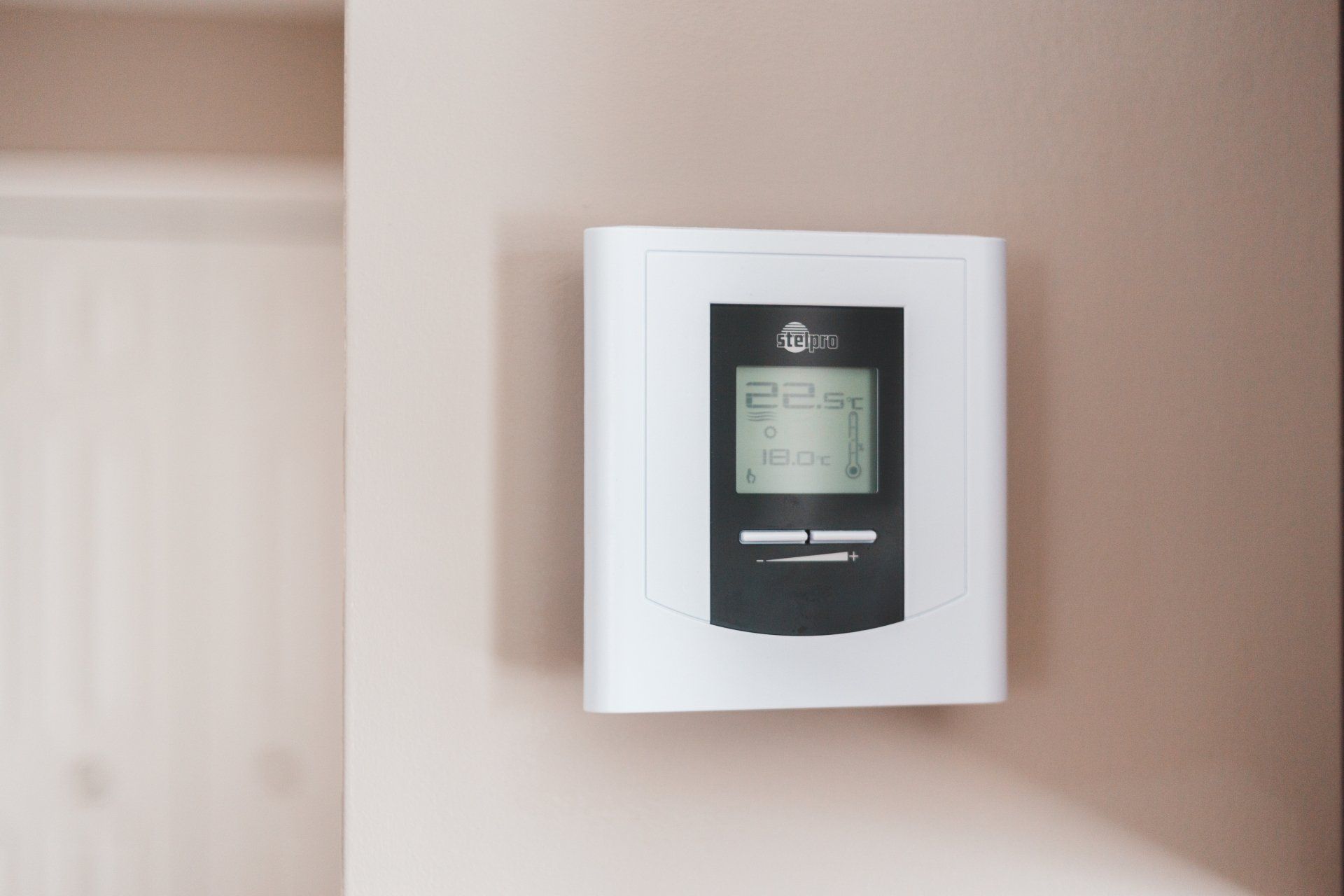
Heating an office or home takes plenty of thermal energy. Even turning our thermostats down by one degree can save energy. The same goes for water heating; we can all stop using the hot water tank and use cold water for dishwashing and clothes washing.
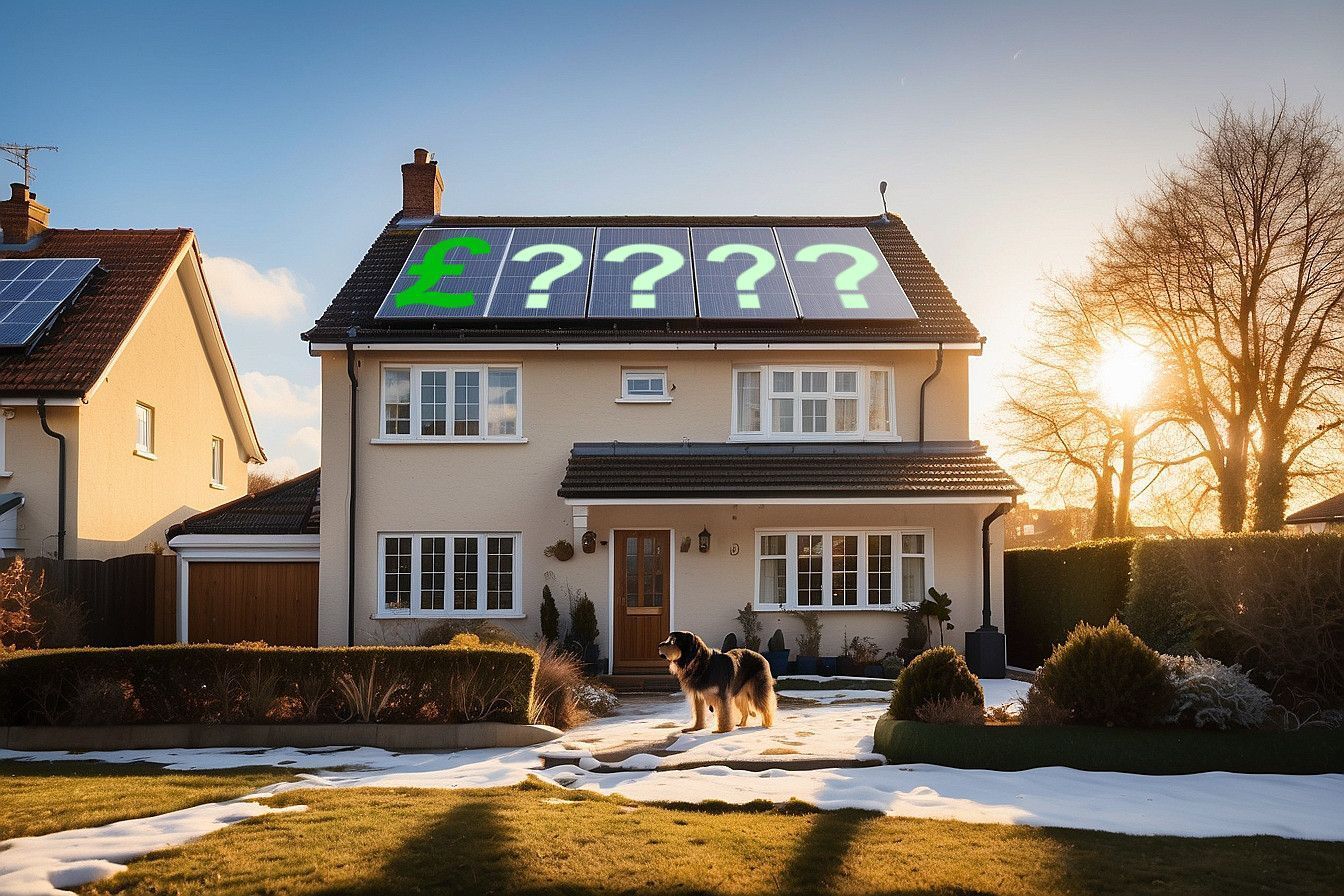
There are even ways to use the sun's warmth to heat the home through solar panels and battery storage systems or even opening the shades.
Ensuring your home is properly insulated can significantly reduce heat loss while lowering your heating bills and is a great way for us to conserve energy, but turning down the heat in the shower is another option. We don't have to take cold showers; just have a warm one! Likewise, we can shave the time off it takes to shower by two minutes to save tons of water and electricity!
Unplug or Turn Off
To reduce energy usage, it might be better to turn things off completely because they use energy when they're not actively turned on. To conserve energy and reduce carbon dioxide emissions, it's best to turn off our air conditioner or heating systems.
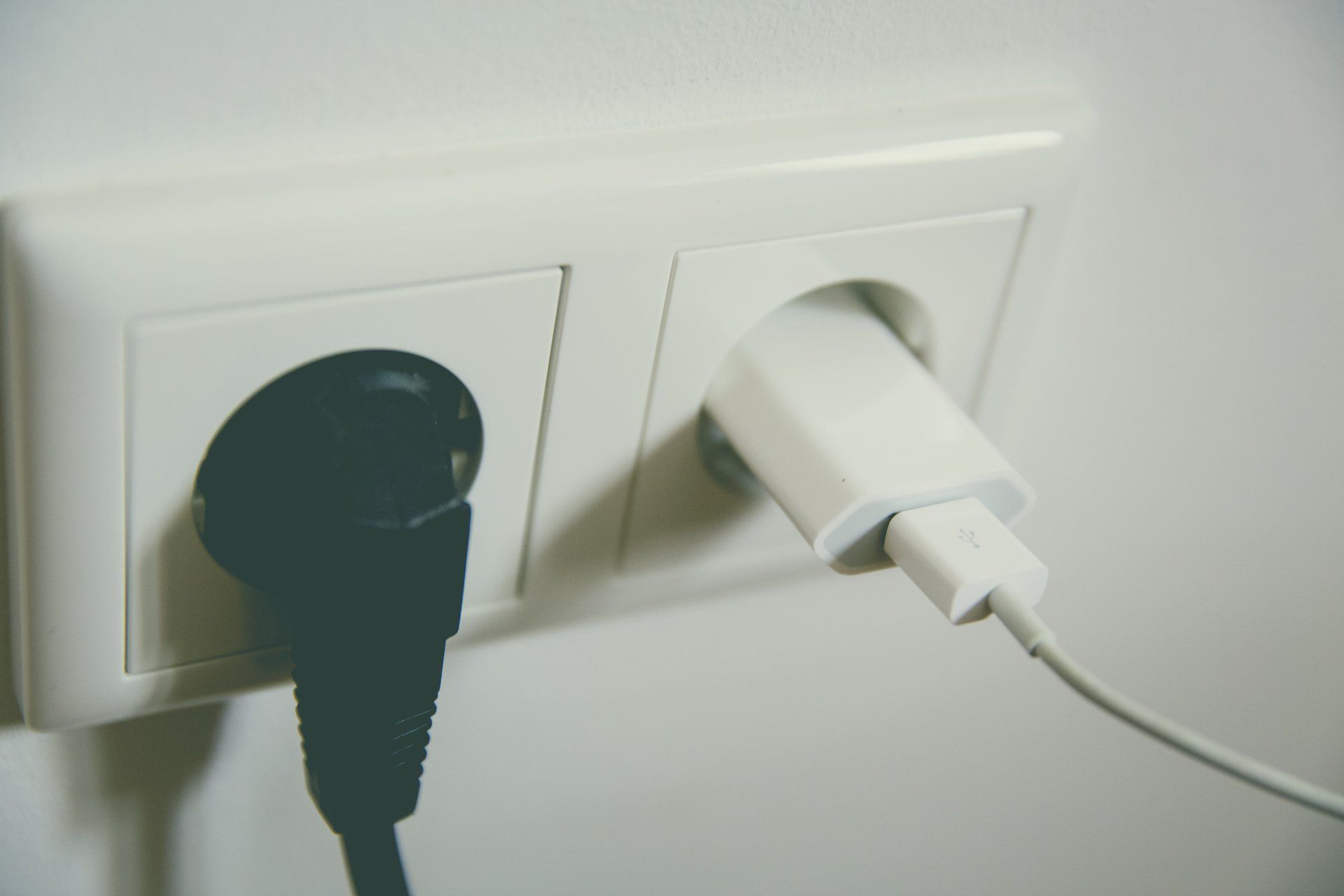
Likewise, we can unplug and switch off appliances we don't need. For example, turn off lights when leaving a room or shut off the television and unplug it because it could use as much energy when off as it does on!
Typically, these appliances still draw energy from the grid when they are plugged in, which raises carbon emissions. We can all turn off the devices and unplug them to help!
Focus on Energy Efficiency and Substitute
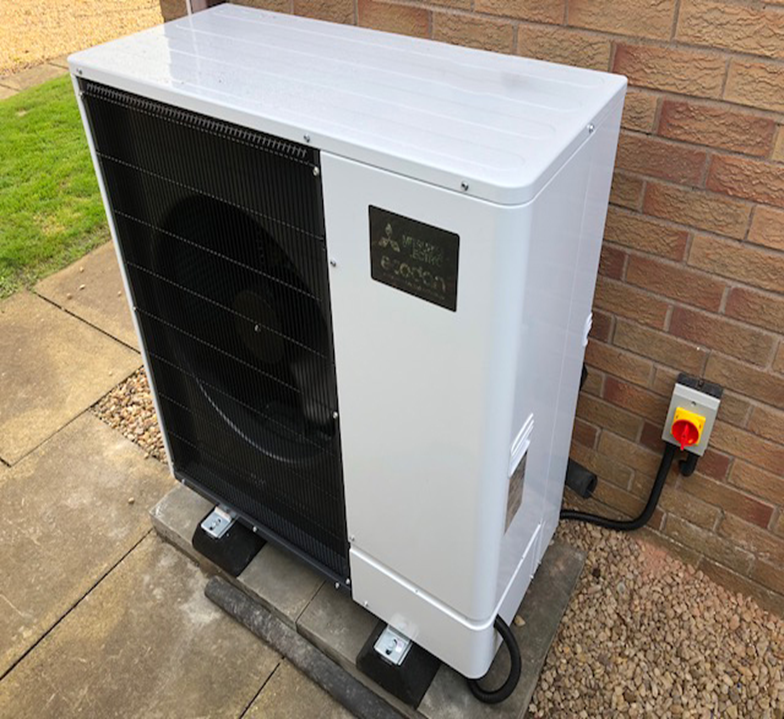
It's a good idea to substitute certain devices for others. These energy-efficient alternatives ensure that we can still use what we need daily, but we swap them out for more energy-efficient appliances, such as Energy Star-approved washers and dryers and a water-efficient showerhead.
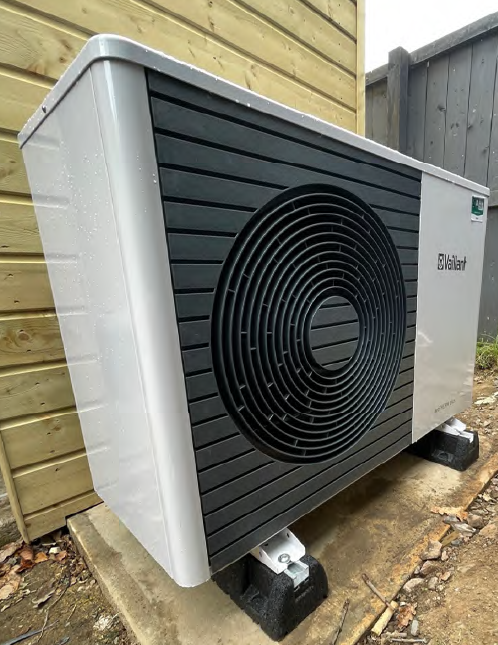
Those who want to lower the carbon footprint might want to consider other energy conservation devices, as well. While swapping hot water for cold when washing is a good idea, we can also choose an electric car or one designed for energy efficiency. This produces a better energy savings. With that, air-source heat pumps are a great idea!
DIY

Other ways of saving energy can include using weather stripping on your home to keep warm air inside. We can also use natural light instead of traditional incandescent light bulbs. When artificial light is required, energy-saving bulbs are much better.
Energy waste is all around us, so replacing all your appliances with energy-efficient ones is great. Likewise, consider using smart power strips that shut off power when they aren't being used. With that, install a smart meter if available via your supplier to help identify where you’re spending the most on your energy, you can take steps to cut down usage wherever possible and save money.
Conclusion
The goal is to stop using more energy and racking up utility bills. Ask for an energy audit to determine your total household energy use.
These energy-saving tips are great to help people save money. Why is energy conservation important? Ultimately, it's because when we save energy, we also lower prices and the carbon footprint.
Check out more about our range of Solar PV Panels, Heat Pumps, Battery Storage and EV Charging solutions at Smart Group today!