How to Determine the Right Number of Solar Panels for Your Home
Factors That Affect How Many Solar Panels You Need
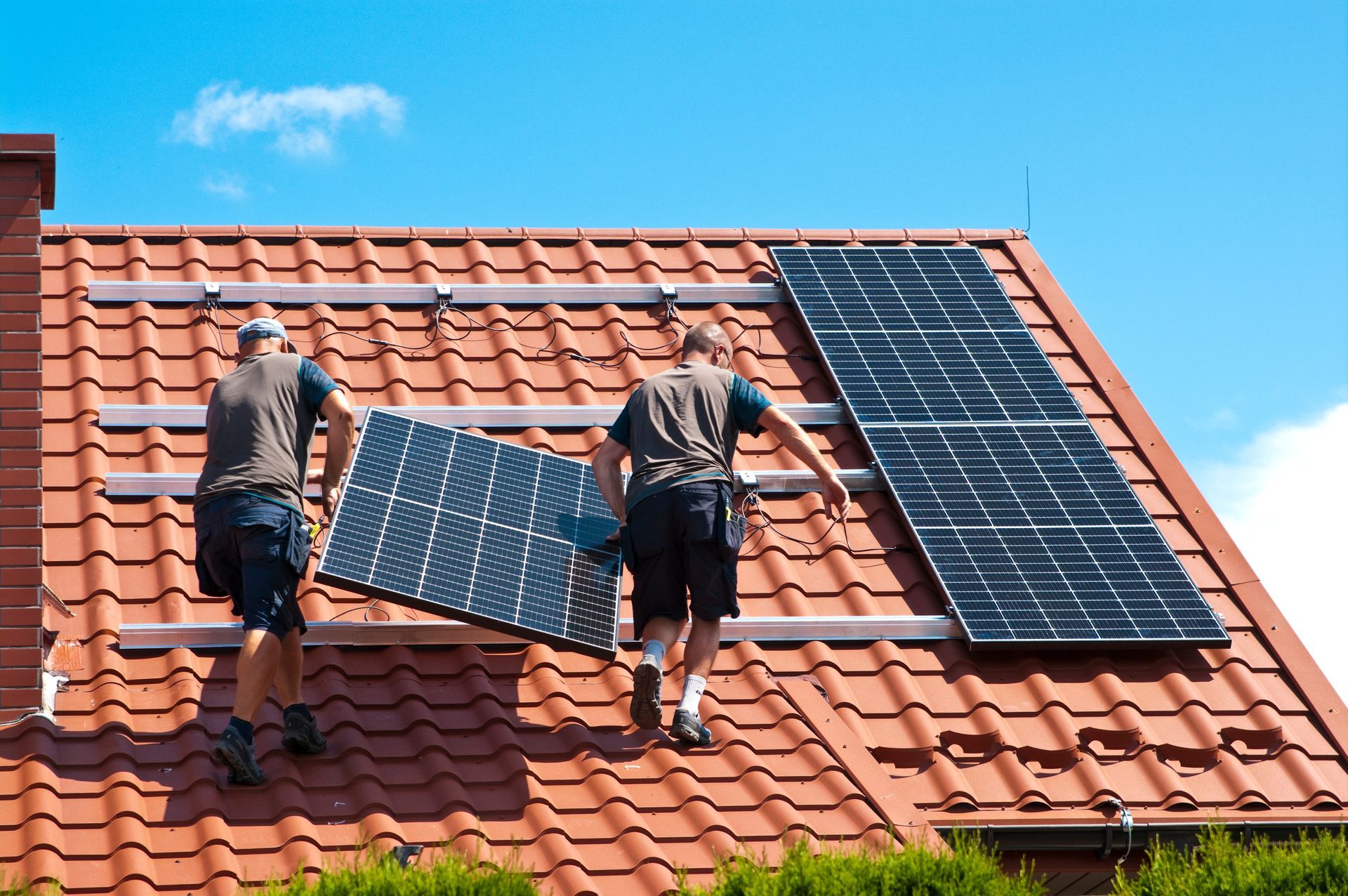
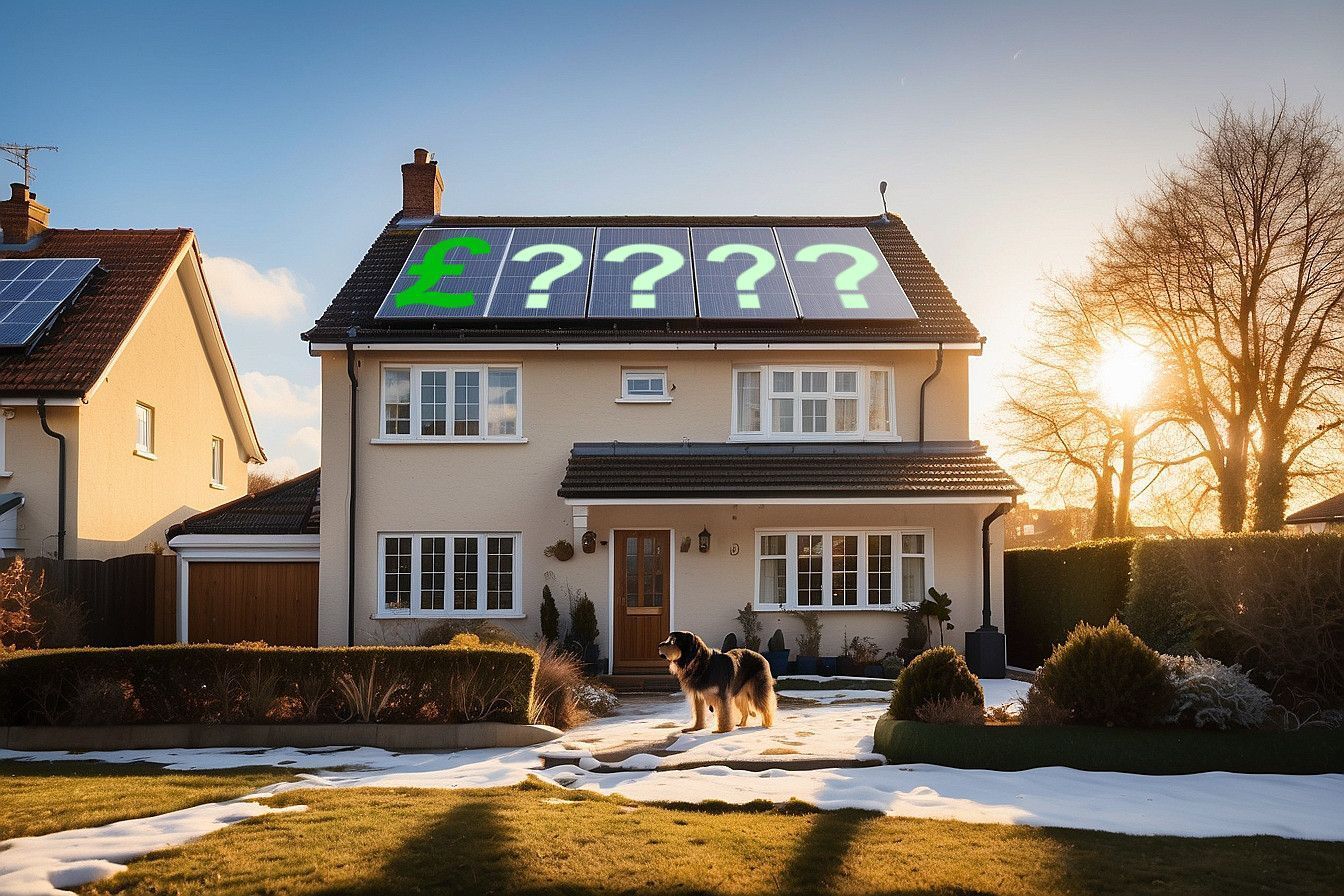
Installing solar panels is a smart investment that can save you money on your energy bills while reducing your carbon footprint. But how do you know how many solar panels you need for your home?
Here are some factors that can influence the number of solar panels you need:
- Your energy usage: The more energy you use, the more solar panels you'll need. You can calculate your annual energy consumption by looking at your past utility bills.
- Your location and weather conditions: The amount of sunlight your solar panels receive will vary depending on your location and weather conditions. In general, homes in sunny locations with long days of sunshine will need fewer solar panels than homes in cloudy or snowy areas.
- The type and efficiency of solar panels: The efficiency of solar panels varies depending on the type and brand. More efficient panels can generate more electricity from the same amount of sunlight, so you may need fewer panels if you choose high-efficiency panels.
- The orientation and tilt of your solar panels: The orientation and tilt of your solar panels can affect how much sunlight they receive. Ideally, your panels should be facing south and tilted at an angle that maximizes sunlight exposure throughout the year.
Shade and obstructions: Shade from trees, buildings, or other objects can significantly reduce the amount of sunlight your solar panels receive. If your home is shaded, you may need more solar panels to generate the same amount of electricity.
Calculating How Many Solar Panels You Need
Determine Your Daily Energy Usage
To calculate how much solar energy you need, you must first determine your annual energy usage. This will give you an idea of how much renewable energy that your panels must produce to meet your needs. You can do this by looking at your past utility bills or by using a solar panel calculator.
Calculate Your Peak Sun Hours
Peak sun hours are the number of hours per day when your solar panels receive the most sunlight. Calculating this helps you determine exactly how much energy your panels can produce and how much power you use in a day. You can find the peak sun hours for your location by using a solar panel calculator or by checking with your local utility company.
Calculate the Size of the Solar Panels You Need
The size of the solar panels you need depends on the amount of energy you want your solar array to produce and the peak sun hours in your location. Therefore, you must consider these factors when choosing the size of your residential solar panels yourself.
Determine the Number of Solar Panels You Need
After determining your annual energy usage, peak sun hours, and the size of your roof space for conventional solar panels, you can calculate the number of solar panels you need. This calculation will help you design a solar system that meets your energy needs and maximizes your savings.
Conclusion
Determining how many solar panels you need is crucial for maximising your energy savings from renewable electricity, and reducing your carbon footprint. By considering factors such as energy usage, geographic location, weather conditions, panel type and efficiency, orientation and tilt, and shading and obstructions, you can design a solar power system that meets your energy needs and reduces your reliance on fossil fuels. We encourage readers to take the next step towards installing solar panels to help create a brighter and more sustainable future for themselves and the planet.